Key facts
- Client
- Global mining company, name withheld at client request
- Industry
- Coal mining
- Facilities
- Two coal handling and preparation plants
- System/CMMS
- SAP
- Focus
- Asset classification, functional location standardisation, FMEA and asset-specific failure coding
Summary of the project
How Nexaan helped standardise asset classification, functional locations and failure data across two coal handling and preparation plants, delivering the work 60% faster than spreadsheet-based and traditional delivery practices.
Related platform modules
The challenge: inconsistent asset data across two sites
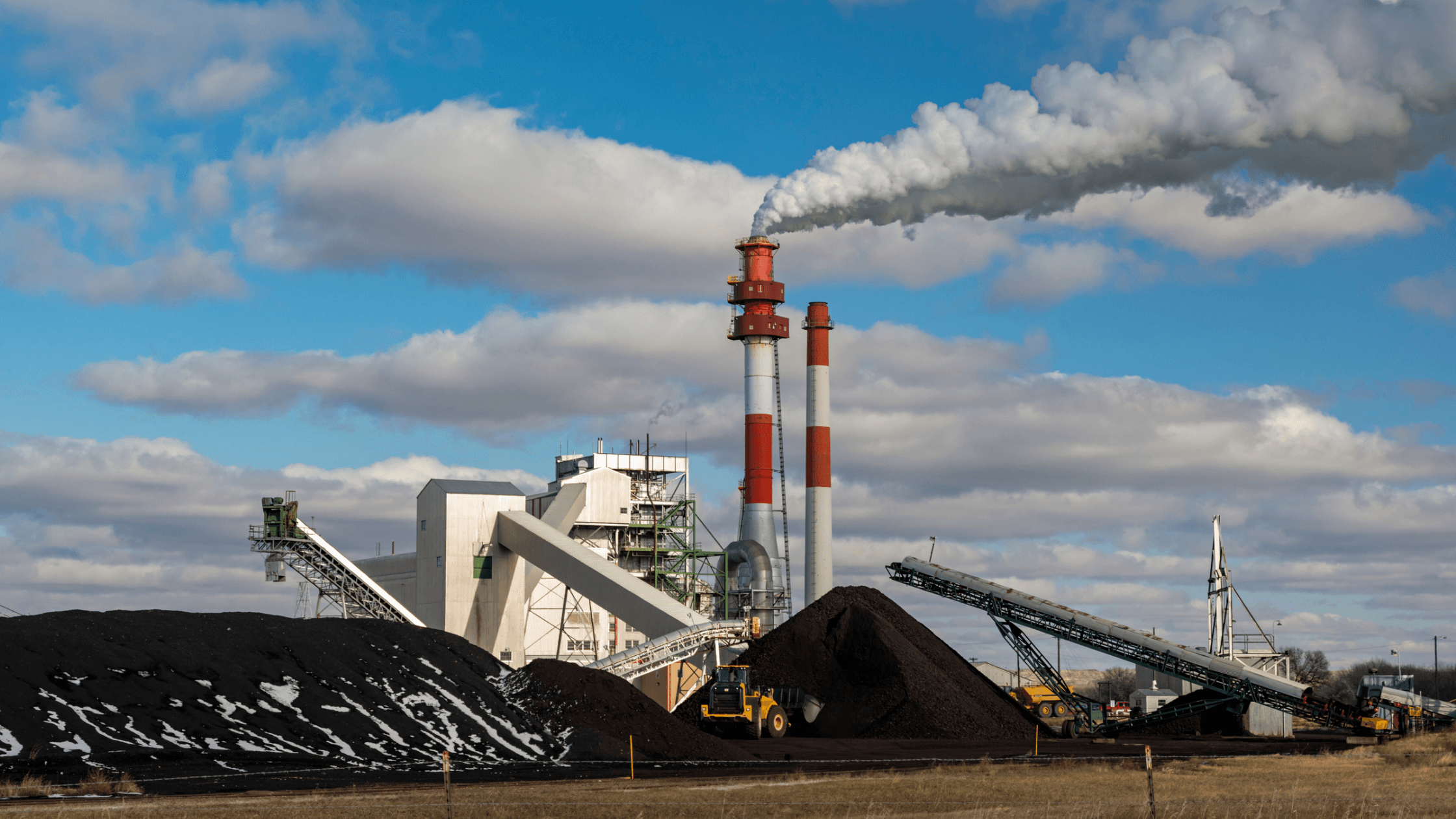
The client needed a consistent basis for managing and comparing assets across two coal handling and preparation plants.
The existing asset classification and functional location structures did not support benchmarking of similar assets, costs, performance or maintenance plans across the two sites. SAP also lacked asset-specific failure codes, limiting the ability to analyse failures, identify cost-saving opportunities and prioritise defect elimination.
The objective was to bring both plants under one governable SAP data standard, with the asset detail and failure information needed for reliability analysis, bad actor identification, and cost and performance analysis.
A common standard for asset classification and functional locations
Nexaan helped establish a centralised, standardised functional location structure across both plants.
The work placed assets at the appropriate level under a common naming standard, aligning asset classification and functional location records across the two sites. All in-scope assets were verified.
This gave maintenance and reliability teams a consistent reference for organising asset information and comparing similar equipment across plants.
A governed structure also provided the basis for maintaining consistency as asset records were added or updated.
Historical work orders structured through FMEA-based failure coding
The project structured historical work order data into FMEA-based failure coding.
Connecting the work order history to asset-specific failure information made the records suitable for analysing recurring failures and supporting maintenance improvement decisions.
The common coding approach enabled both plants to organise failure information consistently, improving the basis for cross-site analysis.
SAP master data aligned for reliability reporting
SAP master data was aligned to support reliability and maintainability analytics, with a structure suitable for automated failure-reporting dashboards.
Consistent asset classification, functional locations and failure codes allowed reliability information to be consolidated and compared across the sites.
For maintenance teams, this created a clearer basis for investigating failure patterns. For asset leaders, it supported more consistent reporting and better-informed decisions across both operations.
The results
The project delivered:
- One governed standard across two sites, covering asset classification, functional locations, FMEA and asset-specific failure codes.
- 100% verification of in-scope assets.
- Historical work orders structured into FMEA-based failure coding, ready for analysis.
- SAP master data aligned for reliability and maintainability analytics and automated failure reporting.
- More than 60% faster delivery.
The resulting data standard established a common foundation for reliability analysis and benchmarking across both plants, supporting the client’s wider objective of lowering cost per tonne.
Client feedback
Nexaan moved fast across both sites, gave us a clear path from where we were to where we needed to be, and cut delivery time by more than 60%, directly supporting our goal to lower cost per tonne.
Maintenance Manager
Global Mining Company
Name withheld at client request.
Key questions
Why standardise asset data across two coal handling and preparation plants?
The existing asset classification and functional location structures did not support benchmarking of similar assets, costs, performance or maintenance plans across the two sites.
How were functional locations standardised across the two sites?
The work placed assets at the appropriate level under a common naming standard, aligning asset classification and functional location records across the two sites. All in-scope assets were verified.
Why connect work order history to failure codes for each asset type?
Connecting the work order history to asset-specific failure information made the records suitable for analysing recurring failures and supporting maintenance improvement decisions.
How was SAP master data aligned for reliability reporting?
SAP master data was aligned to support reliability and maintainability analytics, with a structure suitable for automated failure-reporting dashboards.
Why does a common asset data standard matter for benchmarking?
The resulting data standard established a common foundation for reliability analysis and benchmarking across both plants, supporting the client’s wider objective of lowering cost per tonne.